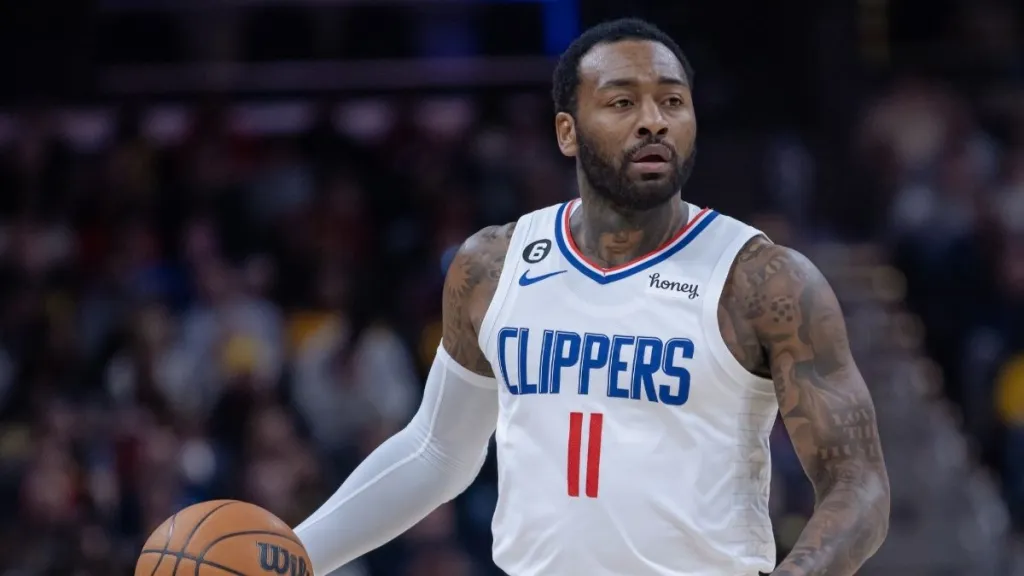
john wall net worth
When discussing elite point guards of the modern john wall net worth NBA era, John Wall inevitably enters the conversation. Known for his explosive speed, court vision, and leadership, Wall has not only made a name for himself on the hardwood but has also built substantial wealth over the years. But what exactly is John Wall’s net worth, and how did he accumulate it?
In this in-depth article, we’ll explore John Wall’s net worth, his career earnings, endorsement deals, investments, lifestyle, and the financial lessons that can be learned from his journey.
John Wall Net Worth Overview
John Wall’s net worth is estimated to be in the range of $60 million to $80 million, a figure that reflects both his NBA contracts and off-court ventures. While this number may fluctuate depending on investments, expenses, and recent deals, it firmly places him among the financially successful athletes of his generation.
A significant portion of Wall’s wealth comes from his time in the NBA, where he signed multiple lucrative contracts. His most notable deal was a four-year, $170 million supermax extension with the Washington Wizards. This contract alone cemented his financial standing and ensured long-term earnings security.
However, net worth isn’t just about salary. It’s also about how well an athlete manages their finances, invests money, and builds income streams beyond their primary profession. In Wall’s case, his wealth is a mix of salary, endorsements, and personal ventures.
Early Life and Career Beginnings
Before becoming a millionaire athlete, John Wall had a challenging upbringing. Born in Raleigh, North Carolina, he faced adversity early in life, including the loss of his father. These hardships shaped his work ethic and determination, qualities that later defined his basketball career.
Wall gained national attention during his high school years due to his incredible athleticism and playmaking ability. His performances earned him a scholarship to the University of Kentucky, where he played under coach John Calipari. During his freshman year, Wall quickly became one of the most exciting players in college basketball.
His standout performances at Kentucky significantly boosted his draft stock. By the time he declared for the NBA Draft, he was widely considered the top prospect, setting the stage for a lucrative professional career.
NBA Career and Salary Growth
John Wall was selected as the first overall pick in the 2010 NBA Draft by the Washington Wizards. This marked the beginning of a career that would bring both fame and financial success. As a top draft pick, Wall entered the league with a strong rookie contract, but his earnings truly skyrocketed in later years.
During his prime, Wall was one of the highest-paid point guards in the league. His supermax contract with the Wizards significantly boosted his income, with annual salaries exceeding $40 million in some seasons. Later, he also had stints with teams like the Houston Rockets and the Los Angeles Clippers, which added to his overall career earnings.
Despite injuries that limited his playing time in certain seasons, Wall continued to earn substantial salaries due to guaranteed contracts. This highlights one of the financial advantages of NBA deals—players are often paid even when sidelined due to injury.
Endorsements and Brand Deals
Beyond his NBA salary, John Wall has earned millions through endorsements. At the peak of his career, he signed deals with major brands, including a notable partnership with Adidas. His signature shoe line contributed to his off-court earnings and increased his visibility as a global athlete.
Endorsements are a critical component of an athlete’s net worth, especially for players with strong personal brands. Wall’s charisma, on-court style, and popularity made him an attractive partner for companies looking to reach basketball fans.
While his endorsement portfolio may not be as extensive as some global superstars, it still represents a significant portion of his income. These deals also help maintain financial stability even when a player’s on-court performance declines.
Investments and Business Ventures
Like many modern athletes, John Wall has explored opportunities beyond basketball. While he has kept much of his investment portfolio private, it is known that he has shown interest in real estate and business ventures.
Athletes today are increasingly aware of the importance of diversifying income streams. For Wall, this means ensuring that his wealth continues to grow even after his playing career ends. Smart investments can often outpace earnings from sports contracts in the long run.
Additionally, Wall has been involved in community initiatives and charitable efforts. While these may not directly increase his net worth, they contribute to his legacy and public image, which can indirectly benefit his brand value
Lifestyle and Spending Habits
John Wall’s lifestyle reflects his success, but it also shows a balance between luxury and responsibility. Like many NBA stars, he has invested in high-end real estate, luxury cars, and personal comforts. However, he has also been known for giving back to his community.
One of the most notable aspects of Wall’s spending is his generosity. He has donated significant amounts to charitable causes and has supported families in need, particularly in the Washington, D.C. area. These actions highlight a side of wealth that goes beyond personal gain.
At the same time, maintaining a high-profile lifestyle comes with expenses. From maintaining properties to managing a professional team (agents, trainers, advisors), athletes must carefully manage their finances to sustain their net worth over time.
Challenges and Financial Setback
Despite his financial success, John Wall’s career hasn’t been without challenges. Injuries played a major role in limiting his playing time during key years, which also impacted his marketability and endorsement opportunities.
Extended absences from the court can affect an athlete’s earning potential, especially when it comes to new contracts and brand deals. While Wall’s guaranteed contracts protected his income, they also came with pressure to perform at a high level.
Another factor to consider is the cost of maintaining wealth. Taxes, agent fees, and lifestyle expenses can significantly reduce net earnings. This is why financial planning is crucial, even for athletes earning tens of millions of dollars.
Comparing John Wall’s Net Worth to Other NBA Stars
When compared to other NBA players of his era, John Wall’s net worth is impressive but not among the very highest. Players like LeBron James and Stephen Curry have significantly higher net worths due to larger endorsement portfolios and longer periods of peak performance.
However, it’s important to note that net worth isn’t just about comparison. Wall’s financial achievements are substantial, especially considering the challenges he faced throughout his career. His ability to secure a supermax contract alone places him in an elite financial category.
Moreover, every athlete’s journey is different. Factors such as injuries, team dynamics, and personal choices all play a role in shaping financial outcomes.
Financial Lessons from John Wall’s Journey
John Wall’s net worth story offers several valuable lessons. First, talent and hard work can open doors to incredible financial opportunities. His rise from a challenging background to NBA stardom is a testament to perseverance.
Second, securing long-term contracts can provide financial stability. Wall’s supermax deal ensured that he remained financially secure even during injury setbacks. This highlights the importance of negotiating strong contracts in professional sports.
Finally, diversification is key. By exploring endorsements and investments, Wall has built multiple income streams. This approach is essential for maintaining wealth after retirement from professional sports.
Conclusion
John Wall’s net worth reflects a career filled with highs, challenges, and resilience. From being the number one draft pick to signing one of the largest contracts in NBA history, he has built a financial legacy that many aspire to achieve.
While injuries may have impacted his time on the court, they haven’t erased the wealth he accumulated through years of elite performance. Today, he stands as an example of how athletes can leverage their talent into long-term financial success.
About the Author