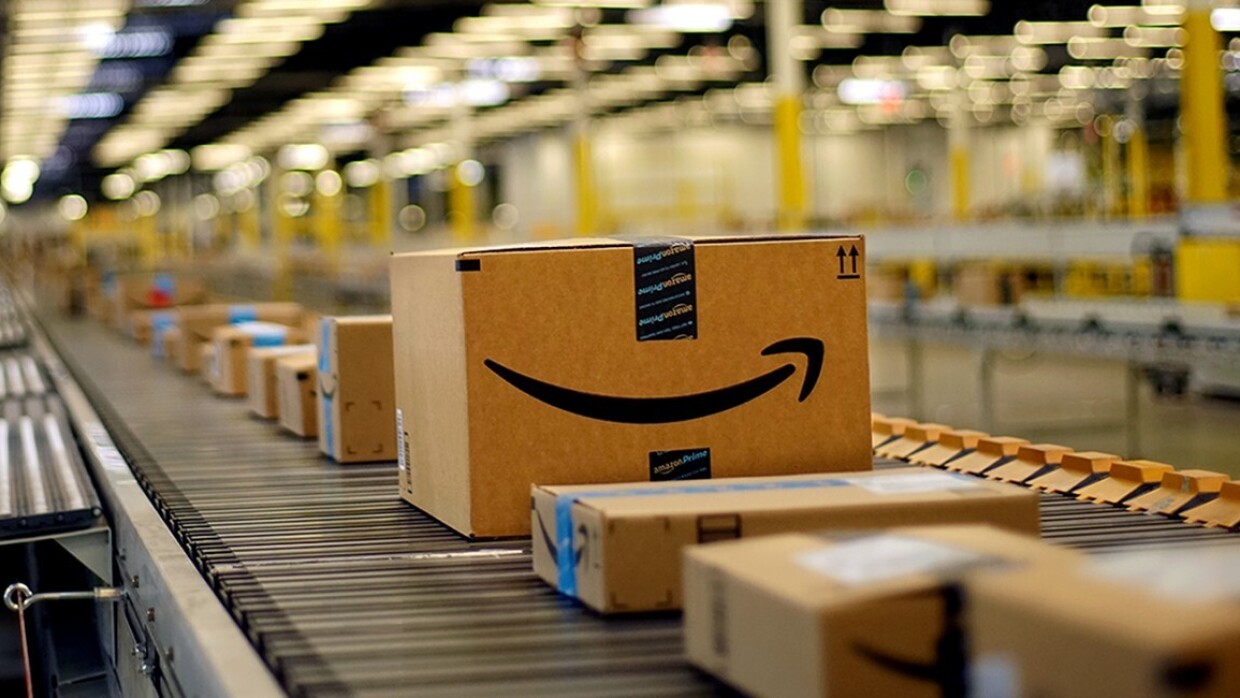
amazon
When people hear the word Amazon, they often think of online shopping, fast deliveries, and an almost endless selection of products. However, Amazon is far more than just an online marketplace. It is a global technology powerhouse that has fundamentally reshaped how consumers shop, how businesses operate, and how digital infrastructure is built and managed. From humble beginnings as an online bookstore, Amazon has grown into a multifaceted organization influencing industries such as retail, cloud computing, entertainment, artificial intelligence, and logistics.
The company was founded in 1994 by Jeff Bezos, who initially envisioned a platform that could sell books online more efficiently than traditional stores. What made Amazon unique from the start was its relentless focus on customer experience. Bezos believed that by prioritizing convenience, selection, and competitive pricing, the company could win long-term customer loyalty. This philosophy became the backbone of Amazon’s success and remains central to its operations today.
Over time, Amazon expanded beyond books into electronics, clothing, home goods, and nearly every other product category imaginable. The company also invested heavily in infrastructure, including warehouses, logistics systems, and data centers. These investments allowed Amazon to deliver products faster and more efficiently than competitors, setting new standards for the retail industry.
Today, Amazon is not just a retailer but a technological ecosystem. It includes services like Amazon Prime, Amazon Web Services (AWS), and Alexa, all of which contribute to its dominance in multiple sectors. Understanding Amazon requires looking at its evolution, its business model, and its ongoing innovations that continue to shape the global economy.
The History and Growth of Amazon
Amazon’s journey began in a garage in Seattle, a story that has become almost legendary in the world of startups. Jeff Bezos left a stable job on Wall Street to pursue his vision of an online retail platform. At the time, the internet was still in its early stages, and many people were skeptical about buying products online. Despite these challenges, Amazon launched in 1995 as an online bookstore, offering a larger selection than any physical store could provide.
In its early years, Amazon focused heavily on growth rather than profitability. The company reinvested its earnings into expanding its product range, improving its website, and building its logistics network. This strategy allowed Amazon to quickly gain market share and establish itself as a leader in e-commerce. By the late 1990s, the company had gone public and was already diversifying into new product categories.
The early 2000s marked a turning point for Amazon. The company survived the dot-com crash, which wiped out many internet startups. Instead of retreating, Amazon doubled down on innovation. It introduced features like customer reviews, personalized recommendations, and one-click purchasing, all of which enhanced the shopping experience and set Amazon apart from competitors.
As the years went on, Amazon continued to expand globally, entering markets in Europe, Asia, and beyond. It also launched new services that would become major revenue streams. One of the most significant was Amazon Web Services, which started as an internal solution but evolved into the world’s leading cloud computing platform. This diversification transformed Amazon from a retail company into a technology giant with multiple pillars of growth.
Amazon’s Business Model Explained
Amazon’s business model is both complex and highly efficient, built around the idea of scale and customer obsession. At its core, the company operates as a marketplace that connects buyers and sellers. While Amazon sells its own products, a significant portion of its revenue comes from third-party sellers who use the platform to reach customers worldwide.
One of the key elements of Amazon’s business model is its focus on low margins and high volume. Unlike traditional retailers that rely on higher profit margins, Amazon prioritizes competitive pricing to attract more customers. This strategy creates a cycle where increased traffic leads to more sales, which in turn attracts more sellers, further expanding the platform’s selection.
Another important aspect is Amazon’s subscription services, particularly Amazon Prime. Prime offers benefits such as free shipping, streaming content, and exclusive deals. This not only generates recurring revenue but also increases customer loyalty. Prime members tend to shop more frequently, making it a critical component of Amazon’s ecosystem.
Additionally, Amazon has built a robust logistics network that includes warehouses, delivery trucks, and even aircraft. This vertical integration allows the company to control the entire supply chain, reducing costs and improving delivery times. Combined with its data-driven approach to decision-making, Amazon’s business model is designed for long-term dominance rather than short-term gains.
Amazon Web Services (AWS): The Hidden Powerhouse
While many people associate Amazon with online shopping, Amazon Web Services (AWS) is arguably the company’s most important and profitable division. AWS provides cloud computing services that allow businesses to store data, run applications, and scale their operations without investing in physical infrastructure.
AWS was launched in 2006 and quickly gained traction among startups and enterprises alike. Companies such as Netflix, Airbnb, and many others rely on AWS to power their platforms. The service offers a wide range of tools, including computing power, storage, machine learning, and analytics, making it a comprehensive solution for modern businesses.
One of the reasons AWS has been so successful is its flexibility. Businesses can pay only for the resources they use, making it cost-effective for companies of all sizes. This has democratized access to advanced technology, enabling smaller organizations to compete with larger players.
Moreover, AWS has positioned Amazon as a leader in the tech industry. It generates a significant portion of the company’s profits, which Amazon reinvests into other areas such as retail, logistics, and innovation. In many ways, AWS is the backbone that supports Amazon’s broader ambitions.
Amazon’s Impact on Retail and Consumer Behavior
Amazon has fundamentally changed the way people shop. Before its rise, consumers relied heavily on physical stores and limited product selections. Today, shoppers expect convenience, fast delivery, and competitive pricing—all standards set by Amazon.
One of the most significant changes is the shift toward online shopping. Amazon made it easy for consumers to browse, compare, and purchase products from the comfort of their homes. Features like customer reviews and personalized recommendations have also empowered shoppers to make more informed decisions.
The company’s emphasis on fast delivery has raised expectations across the industry. Services like same-day and next-day shipping have become increasingly common, forcing competitors to improve their logistics capabilities. This has led to a broader transformation in the retail sector, with many traditional stores investing in e-commerce and delivery services.
However, Amazon’s influence is not without controversy. Critics argue that its dominance has made it difficult for smaller retailers to compete. Others raise concerns about labor practices and environmental impact. Despite these challenges, there is no denying that Amazon has reshaped consumer behavior in profound ways.
Innovation and Technology at Amazon
Innovation is at the heart of Amazon’s success. The company has consistently pushed the boundaries of technology to improve its services and stay ahead of competitors. From artificial intelligence to robotics, Amazon invests heavily in research and development.
One notable example is Alexa, Amazon’s voice-controlled assistant. Alexa powers devices like the Echo smart speaker, allowing users to perform tasks such as playing music, setting reminders, and controlling smart home devices. This has positioned Amazon as a key player in the smart home market.
Amazon has also embraced automation in its warehouses. Robots are used to move products, optimize storage, and speed up order fulfillment. This not only improves efficiency but also reduces operational costs. Additionally, the company is exploring innovations like drone delivery, which could revolutionize how goods are transported.
Another area of focus is artificial intelligence and data analytics. Amazon uses these technologies to personalize recommendations, optimize pricing, and forecast demand. By leveraging data, the company can make informed decisions that enhance the customer experience and drive growth.
Challenges and Criticism
Despite its success, Amazon faces several challenges and criticisms. One of the most prominent issues is its impact on small businesses. While the platform provides opportunities for sellers, it also creates intense competition. Some critics argue that Amazon’s scale and resources give it an unfair advantage.
Labor practices have also been a topic of debate. Reports of demanding working conditions in warehouses have raised concerns about employee welfare. Amazon has taken steps to address these issues, but they remain a point of contention.
Environmental impact is another challenge. The company’s vast logistics network contributes to carbon emissions, and its packaging practices have been criticized for generating waste. In response, Amazon has launched sustainability initiatives aimed at reducing its environmental footprint.
Regulatory scrutiny is also increasing. Governments around the world are examining Amazon’s business practices, particularly in areas such as antitrust and data privacy. How the company navigates these challenges will play a crucial role in its future.
The Future of Amazon
Looking ahead, Amazon shows no signs of slowing down. The company continues to explore new markets and technologies, from healthcare to space exploration. Its ability to adapt and innovate will be key to maintaining its leadership position.
One area of growth is artificial intelligence. Amazon is investing in AI to improve everything from customer service to logistics. This could lead to even more personalized experiences and faster delivery times.
Another promising क्षेत्र is international expansion. While Amazon is already a global company, there are still many untapped markets with significant growth potential. By adapting its strategies to local needs, Amazon can continue to expand its reach.
Ultimately, the future of Amazon will be shaped by its commitment to innovation and customer satisfaction. Whether through new technologies or improved services, the company is likely to remain a dominant force in the global economy for years to come.
Conclusion
Amazon’s journey from a small online bookstore to a global technology giant is nothing short of remarkable. Through innovation, strategic investments, and a relentless focus on customers, the company has transformed multiple industries and set new standards for excellence.
From its early days under Jeff Bezos to its current status as a leader in e-commerce and cloud computing, Amazon has consistently pushed the boundaries of what is possible. Services like Amazon Web Services and products like Alexa demonstrate the company’s ability to diversify and innovate.
While challenges remain, Amazon’s influence on the global economy is undeniable. As it continues to evolve, it will likely shape the future of technology, retail, and beyond. For consumers and businesses alike, understanding Amazon is essential to understanding the modern digital world.
About the Author