economic blackout
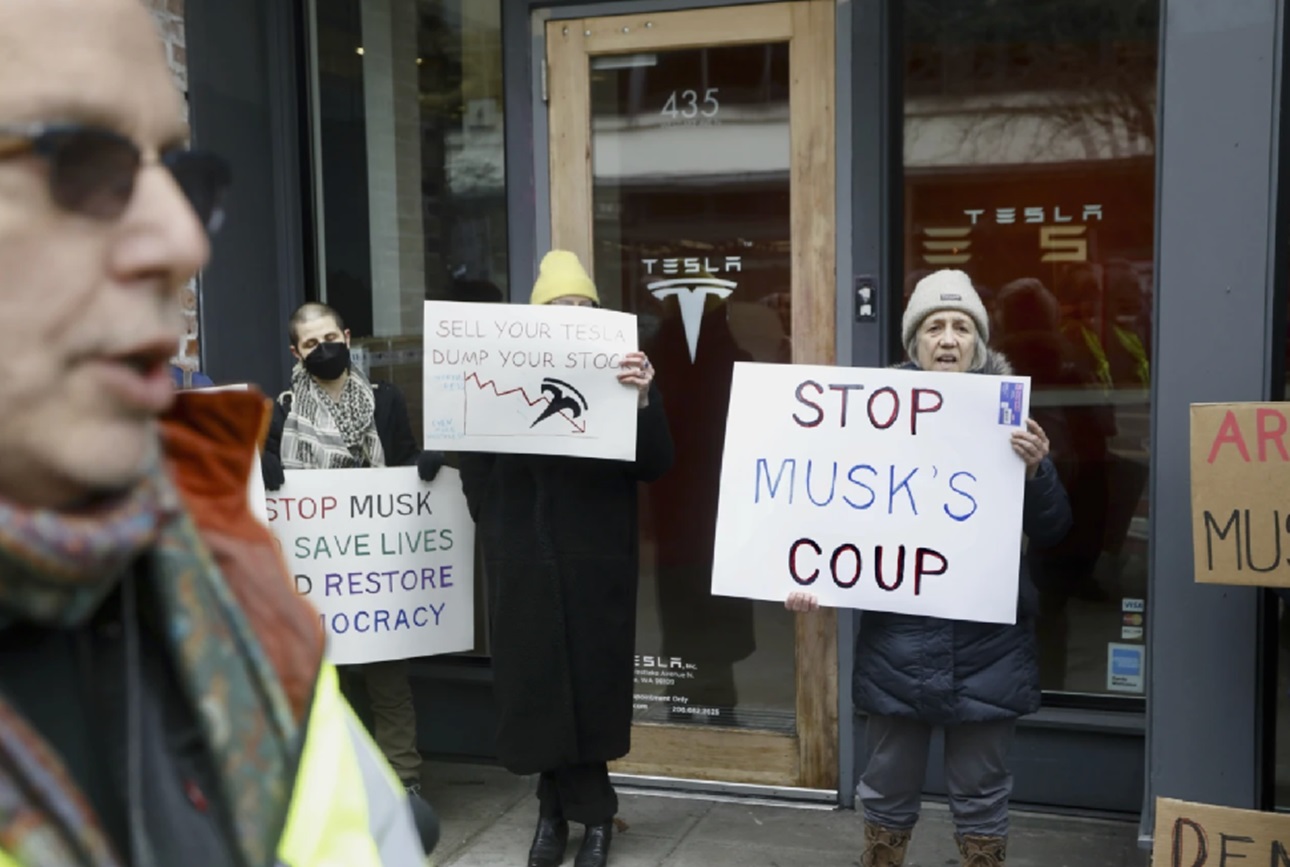
Economic Blackout is a powerful idea that more people are talking about today. In simple words, an economic blackout happens when people stop spending money for a certain time. Instead of shopping, buying gas, eating out, or ordering online, they pause their spending. As a result, businesses feel the change immediately.
In recent years, economic blackout movements have grown because people want their voices to be heard. Instead of protesting in the streets, they protest with their wallets. Because money drives the economy, even one day of no spending can send a strong message. Therefore, this method has become popular on social media.
Although the idea sounds simple, its impact can be huge. When many people join together, companies notice. At the same time, the government may also pay attention. For this reason, economic blackout events are often organized to push for political, social, or economic change.
What Is an Economic Blackout?
An economic blackout is a planned day or period when people refuse to spend money. In other words, it is a spending strike. Instead of buying what they normally would, people choose to save their money. As a result, businesses see lower sales during that time.
This strategy works because modern economies depend on consumer spending. For example, in countries like the United States, consumer spending makes up a large part of the economy. Therefore, when spending suddenly drops, it creates noticeable pressure.
However, an economic blackout is usually peaceful. People are not forced to join. Instead, they decide voluntarily. Because participation is a personal choice, the movement spreads mainly through awareness and social media campaigns.
Why Do People Organize an Economic Blackout?
First of all, people organize an economic blackout to demand change. Sometimes they want lower prices. Other times, they want better working conditions. In some cases, they protest government policies. Therefore, the purpose can vary depending on the situation.
In addition, an economic blackout allows people to show unity. When thousands or even millions join together, it sends a strong message. As a result, leaders and companies may feel pressure to respond quickly.
Moreover, this method feels safe and accessible. Anyone can participate simply by not spending money. Because of that, even young adults and families can join without risk. Consequently, economic blackout events often attract wide support.
How Does an Economic Blackout Affect Businesses?
When an economic blackout takes place, businesses feel the impact almost immediately. Since daily sales are important for cash flow, even one slow day can create stress. Therefore, companies monitor these events closely.
Small businesses, however, may be affected differently than large corporations. While big companies might recover quickly, smaller stores may struggle more. For this reason, some economic blackout organizers encourage people to support local businesses afterward.
On the other hand, if participation is low, the effect may be limited. Because businesses plan for ups and downs, they can sometimes absorb short-term losses. Still, if the blackout lasts longer, the financial pressure icreases significantly.
The Role of Social Media in Economic Blackout Movements
Today, social media plays a major role in spreading economic blackout messages. Platforms like Facebook and X help organizers reach millions quickly. As a result, information spreads faster than ever before.
In addition, hashtags make it easy to track participation. When people share posts about not spending money, others feel encouraged to join. Therefore, online visibility strengthens the movement.
However, social media can also spread misinformation. Because of that, organizers must communicate clearly. Otherwise, confusion may reduce trust and participation.
Economic Blackout vs. Boycott: What’s the Difference?
Although an economic blackout and a boycott may seem similar, they are slightly different. A boycott usually targets one company or brand. For example, people may stop buying from a specific store. In contrast, an economic blackout often targets the broader economy.
Furthermore, boycotts can last for weeks or months. On the other hand, economic blackout events are sometimes short, such as 24 hours. Because they are short-term, they aim to create quick attention.
Nevertheless, both strategies use spending power as a tool. Since money influences businesses, reducing spending becomes a strong statement.
Economic Blackout and Government Policies
Sometimes, an economic blackout is connected to political decisions. For example, people may disagree with new taxes or rising prices. Therefore, they organize a spending pause to show dissatisfaction.
In democratic countries like the United States, citizens have the right to protest peacefully. As a result, economic blackout events are seen as legal forms of expression. However, their impact depends on participation levels.
Moreover, governments watch these movements carefully. If economic data shows a sudden drop in spending, leaders may respond publicly. Consequently, an economic blackout can influence public discussions.
Can an Economic Blackout Really Change Anything?
Many people ask whether an economic blackout truly works. The answer depends on several factors. First, participation must be high. Without large numbers, businesses may not feel significant pressure.
Second, the goal must be clear. If organizers explain their demands clearly, companies understand what changes are expected. Therefore, communication is essential.
Finally, media coverage matters. When news outlets report on the event, awareness grows. As a result, decision-makers may feel stronger pressure to act.
Possible Risks of an Economic Blackout
Although an economic blackout sounds simple, it may carry risks. For example, small businesses could lose important revenue. Because of that, organizers sometimes suggest spending money locally instead of at big chains.
Additionally, workers who rely on hourly wages might earn less if sales drop. Therefore, some critics argue that economic blackouts can hurt employees more than large corporations.
Nevertheless, supporters believe that short-term sacrifice can create long-term benefits. As a result, the debate continues.
How to Participate in an Economic Blackout
If you want to join an economic blackout, the process is easy. First, avoid unnecessary purchases during the chosen period. Instead, cook at home and use what you already have.
Second, plan ahead. Because emergencies happen, make sure you buy essential items before the blackout begins. Therefore, you can fully participate without stress.
Finally, spread awareness respectfully. Share information online and talk to friends calmly. As a result, more people may understand the purpose.
Conclusion
Looking ahead, economic blackout movements may become more common. Since digital communication continues to grow, organizing large groups becomes easier. Therefore, these events could increase worldwide.
At the same time, businesses may adapt. For example, companies might offer special promotions during blackout days. Consequently, strategies will evolve on both sides.
In conclusion, economic blackout movements show the power of collective action. Although they may not solve every problem, they highlight how important consumer spending truly is. Because money drives modern economies, choosing when and how to spend it can become a powerful tool for change.
About the Author