basqueserpartists
Basqueserpartists are groups of people who believe the Basque region should be independent. From the very beginning, this idea has shaped political debates, cultural movements, and social discussions in Spain and France. Because of this, the topic is often misunderstood. However, when explained clearly, it becomes much easier to understand.
At the same time, basqueserpartists are not all the same. While some support peaceful political action, others in the past supported violence. Therefore, it is important to look at the full picture. This article explains the topic step by step in very simple words.
Most importantly, this guide is written for everyone. Even an 11-year-old student can understand it. So now, let us explore the world of basqueserpartists in a clear and friendly way.
Basqueserpartists and the Basque Region
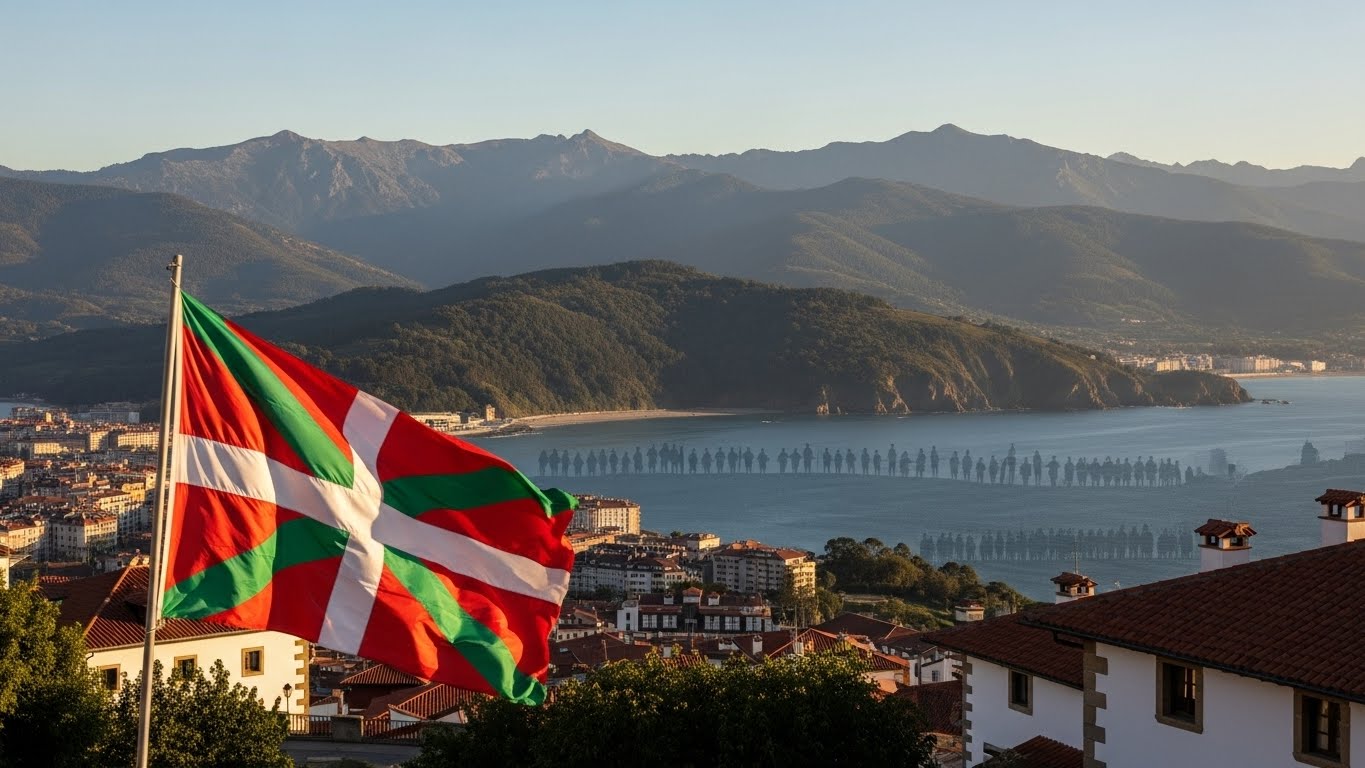
Basqueserpartists come from the Basque region, which is located in northern Spain and southern France. This region is known for its mountains, green land, and strong traditions. Because of its location, the Basque region has always been different from nearby areas.
Additionally, the people of this region speak a unique language called Euskara. This language is very old and does not come from Latin or any other European language. As a result, basqueserpartists often feel proud of their special identity.
Because of these differences, many people felt that the Basque region deserved self-rule. Over time, this feeling grew stronger. Therefore, the idea of independence slowly became popular among basqueserpartists.
Basqueserpartists and Basque Identity
Basqueserpartists strongly believe in protecting Basque identity. This identity includes language, food, music, and local traditions. Because these customs are very old, people want to keep them safe.
For example, Basque festivals are still celebrated today. During these events, traditional dances and sports are shown. As a result, culture stays alive and strong in daily life.
Because culture matters so much, basqueserpartists often focus on teaching Euskara to children. This way, the next generation can stay connected to their roots.
Basqueserpartists and Geography
The land of the Basque region has also shaped basqueserpartists. Mountains helped protect the area in the past. Because of this, local traditions were preserved longer than in other places.
At the same time, fishing and farming were common jobs. Therefore, people learned to live closely with nature. This connection created a strong sense of belonging.
Because land and people are closely linked, basqueserpartists often talk about protecting their homeland. This idea still plays an important role today.
Basqueserpartists and Historical Background
Basqueserpartists did not appear suddenly. Instead, their movement grew over many years. In the past, the Basque region had special rights called “fueros.” These rights allowed local control.
However, these rights were slowly taken away by central governments. As a result, many people felt ignored and angry. Therefore, early basqueserpartists began asking for autonomy.
Over time, this demand changed. While some wanted autonomy, others wanted full independence. Because of this, the movement became more complex.
Basqueserpartists During the 20th Century
During the 20th century, basqueserpartists became more active. Spain went through wars and dictatorship. During this time, Basque culture was suppressed.
For example, the Basque language was banned in schools. Because of this, many people felt their identity was under attack.
As a result, some basqueserpartists formed radical groups. While some actions caused harm, others focused on peaceful resistance.
Basqueserpartists and ETA
One group often linked to basqueserpartists is ETA. This group used violence to push for independence. Because of this, many people suffered.
However, it is important to note that not all basqueserpartists supported ETA. In fact, many people rejected violence completely.
Eventually, ETA stopped its armed actions. Therefore, today’s basqueserpartists mostly support peaceful methods.
Basqueserpartists and Political Goals
Basqueserpartists have different political goals. Some want full independence. Others only want more local power. Because of this, opinions vary widely.
Most modern basqueserpartists use democratic tools. For example, they vote, protest peacefully, and join political parties.
Because democracy is used, the movement is now more accepted. This change has helped reduce conflict.
Basqueserpartists in Local Government
Basqueserpartists are active in regional politics. Several political parties represent Basque interests. Because of elections, these parties hold real power.
As a result, the Basque region now has strong self-government. It controls education, health, and police.
Although independence has not been achieved, basqueserpartists see this as progress.
Basqueserpartists and Spain Today
Today, Spain recognizes the Basque Autonomous Community. Because of this, many demands have been met.
However, basqueserpartists still debate the future. Some believe independence is still needed.
Others feel that cooperation with Spain is better. Therefore, discussion continues peacefully.
Basqueserpartists and Culture Today
Culture remains central to basqueserpartists. Music, food, and sports are proudly shared. Because of this, Basque culture is famous worldwide.
For example, Basque food is known for its quality. Dishes like pintxos attract tourists.
Because culture brings pride, basqueserpartists continue to protect it strongly.
Basqueserpartists and Language Revival
The Basque language almost disappeared in the past. However, strong efforts were made to save it.
Today, many schools teach in Euskara. Because of this, young people speak it fluently.
As a result, basqueserpartists see language revival as a major success.
Basqueserpartists and Education
Education plays a key role in the movement. Children learn Basque history early.
Because knowledge creates understanding, young people grow up aware of their identity.
Therefore, education helps keep the movement peaceful and informed.
Basqueserpartists and the Future
The future of basqueserpartists is still open. While independence remains a goal for some, peace is now the priority.
Because violence has ended, trust is slowly rebuilding. This change has helped society heal.
Most importantly, basqueserpartists continue to express their views through dialogue.
Basqueserpartists and Youth
Young people are shaping the movement today. They focus on culture, environment, and equality.
Because of social media, ideas spread faster than before.
As a result, the movement looks more modern and inclusive.
Basqueserpartists in a Global World
In a global world, basqueserpartists also think internationally. They connect with other regional movements.
Because shared experiences create learning, cooperation grows.
Therefore, basqueserpartists continue evolving with time.
Conclusion
Basqueserpartists are not just about politics. They represent history, culture, and identity. Because of peaceful change, the movement has matured.
By understanding their story, we can see why it matters. Most importantly, learning helps reduce misunderstanding.
About the Author