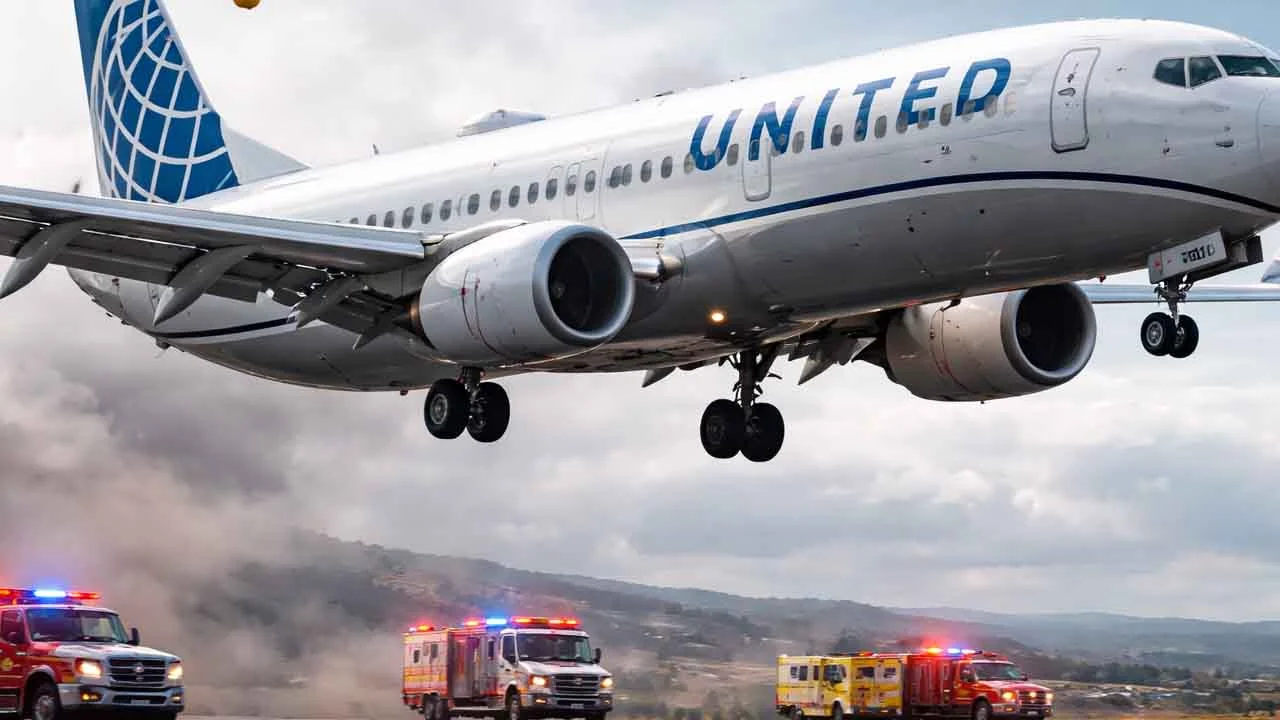
united airlines flight ua770 emergency diversion
United Airlines flight UA770 emergency diversion became a major topic of discussion after passengers experienced an unexpected change mid-journey. At the beginning of the flight, everything appeared normal and calm. However, as the aircraft continued, an urgent situation developed. Because of safety concerns, the flight was diverted to another airport. As a result, many travelers were left confused and concerned.
In recent years, airline diversions have received increased attention. Therefore, it is important to understand what happened during this specific event. This article explains the facts clearly and simply. Moreover, it helps travelers understand why emergency diversions occur and how airlines respond.
Because safety is always the top priority, airlines train crews to handle sudden issues quickly. For that reason, the United Airlines flight UA770 emergency diversion followed strict aviation procedures. Let’s explore the situation step by step.
What Is an Emergency Diversion in Aviation?
An emergency diversion happens when a plane must land somewhere other than its planned destination. In many cases, this decision is made to protect passengers and crew. For example, a medical emergency, mechanical issue, or weather problem may occur. Therefore, pilots are required to act quickly.
Because aircraft safety systems are designed to detect problems early, many issues are addressed before becoming dangerous. As a result, most emergency diversions end safely. In fact, diversions are often a sign that safety protocols are working correctly.
Although diversions can be stressful, they are usually handled calmly. Moreover, passengers are often kept informed as much as possible during the situation.
How Pilots Decide to Divert
Pilots are trained to assess risks carefully. First, they receive information from onboard systems and crew reports. Then, air traffic control is contacted. After that, the safest airport is selected.
Because passenger safety comes first, convenience is never the deciding factor. Therefore, a diversion may happen even if the issue seems small. In aviation, caution is always preferred.
As a result, the decision to divert is never taken lightly. It is always based on safety data and expert judgment.
Passenger Experience During Diversions
During an emergency diversion, passengers may notice changes quickly. For example, announcements may be made, and seatbelt signs may stay on longer. In addition, flight paths may change suddenly.
Although fear can arise, most diversions are controlled and safe. As a result, passengers usually land without injury. After landing, assistance is typically provided.
Because airlines want to minimize stress, ground teams are prepared to help once the plane arrives.
United Airlines Flight UA770 Emergency Diversion: What Happened?
United Airlines flight UA770 emergency diversion occurred after the flight had already been in the air for some time. At first, the flight was operating normally. Passengers were settled, and crew service had begun.
However, something unexpected occurred during the journey. Although exact details can vary, a potential safety concern was identified. Therefore, the flight crew followed standard procedures.
Because aviation rules are strict, even small issues can lead to major decisions. As a result, the diversion was initiated without delay.
The Decision to Divert
Once the issue was detected, communication was established with air traffic control. Then, a nearby airport was chosen as the safest option. Because time matters in such situations, the decision was made quickly.
The United Airlines flight UA770 emergency diversion was handled professionally. The aircraft landed safely, and no injuries were reported. Therefore, the safety systems worked as designed.
Although the journey was disrupted, lives were protected. That is always the most important outcome.
After Landing Procedures
After landing, emergency crews were on standby. This is a normal procedure during diversions. As a result, passengers were reassured that safety was under control.
In many cases, inspections are performed before the plane can continue. Therefore, delays are common after diversions. Passengers may be rebooked or accommodated.
Because customer care is essential, airlines usually provide updates and support following such events.
Possible Causes Behind the United Airlines Flight UA770 Emergency Diversion
One common reason for diversions is mechanical concern. For example, sensors may detect abnormal readings. Although the issue may not be severe, caution is required.
Because modern aircraft rely heavily on monitoring systems, alerts are taken seriously. As a result, pilots may divert even if the plane seems stable.
Therefore, mechanical caution is a leading factor in many diversions.
Medical Emergencies Onboard
Another possible reason involves medical emergencies. If a passenger becomes seriously ill, immediate landing may be required. Therefore, the nearest suitable airport is chosen.
Because time can save lives, medical diversions are treated urgently. Flight crews are trained to assist until landing occurs.
As a result, diversions due to medical needs are both common and necessary.
Environmental or External Factors
Weather changes or external alerts may also cause diversions. For example, turbulence or airspace restrictions may arise unexpectedly.
Because safety conditions can change rapidly, pilots must adapt. Therefore, rerouting or landing early may be required.
In aviation, flexibility is essential for safety.
How United Airlines Handles Emergency Diversions
United Airlines trains its crews extensively. Therefore, emergency response becomes almost automatic. Pilots, flight attendants, and ground teams work together seamlessly.
Because procedures are practiced regularly, panic is minimized. As a result, passengers are guided calmly through the situation.
Training plays a key role in successful diversions.
Communication With Passengers
Clear communication is essential during emergencies. Therefore, announcements are made as soon as possible. Although full details may not be shared immediately, reassurance is provided.
Because uncertainty can increase fear, airlines aim to keep passengers informed. As a result, trust is maintained.
Good communication helps reduce stress during unexpected events.
Passenger Support After Diversion
After a diversion, passengers may need assistance. For example, rebooking, meals, or accommodations may be offered. Because disruptions are inconvenient, customer service becomes important.
United Airlines typically works to minimize inconvenience. Therefore, support teams step in quickly.
Although delays are frustrating, safety remains the priority.
What Passengers Can Learn From the United Airlines Flight UA770 Emergency Diversion
The biggest lesson is that safety decisions are never compromised. Even when delays occur, protection matters more than schedules.
Because aviation standards are high, diversions are used as preventative measures. As a result, many serious incidents are avoided.
Understanding this helps passengers feel more confident.
Staying Calm During In-Flight Changes
Passengers are encouraged to remain calm during diversions. Because crews are trained professionals, instructions should be followed carefully.
Listening to announcements and staying seated when required helps ensure safety. Therefore, cooperation is essential.
Calm behavior benefits everyone onboard.
Being Prepared as a Traveler
Travelers united airlines flight ua770 emergency diversion should always plan for unexpected changes. For example, flexible schedules and travel insurance can help.
Because disruptions happen, patience becomes valuable. As a result, stressful situations are easier to manage.
Prepared travelers handle diversions better.
Conclusion
The United Airlines flight UA770 emergency diversion highlights how aviation safety systems work in real life. Although the situation was unexpected, it was managed professionally. As a result, passengers landed safely.
Emergency diversions may seem alarming, but they are often preventative actions. Because airlines prioritize safety, such decisions protect lives. Therefore, trust in aviation procedures remains justified.
In the end, this event reminds travelers that safety always outweighs convenience. And because of that commitment, flying remains one of the safest ways to travel.
About the Author